
Wet Room Installation
in Uckfield &
East Sussex
A fully waterproofed, level-access wet room — designed for your space, built to last, and installed by one experienced craftsman with zero subcontractors.
Hundreds of wet rooms installed · Fully tanked & guaranteed · Free design consultation
What a Wet Room Installation Involves
A wet room removes the traditional shower tray entirely, creating an open, level-access shower area that is tiled seamlessly into the floor. The entire room — or the designated wet zone — is fully waterproofed using professional-grade tanking membranes, ensuring that water stays exactly where it should.
Wet rooms are ideal for homeowners who want a modern, spacious feel, particularly in smaller bathrooms where removing the shower tray and enclosure visually doubles the available space. They are also an excellent accessibility solution, providing step-free entry for those with mobility challenges.
Daniel Couchman installs wet rooms from start to finish — including floor preparation, gradient formation for drainage, tanking, tiling, plumbing, and all associated electrical work. The result is a watertight, beautifully finished wet room that performs flawlessly for decades.
Every project begins with a free consultation and 3D design, so you can visualise the exact layout, tile choices, and drain position before work begins.
Our Work in Action
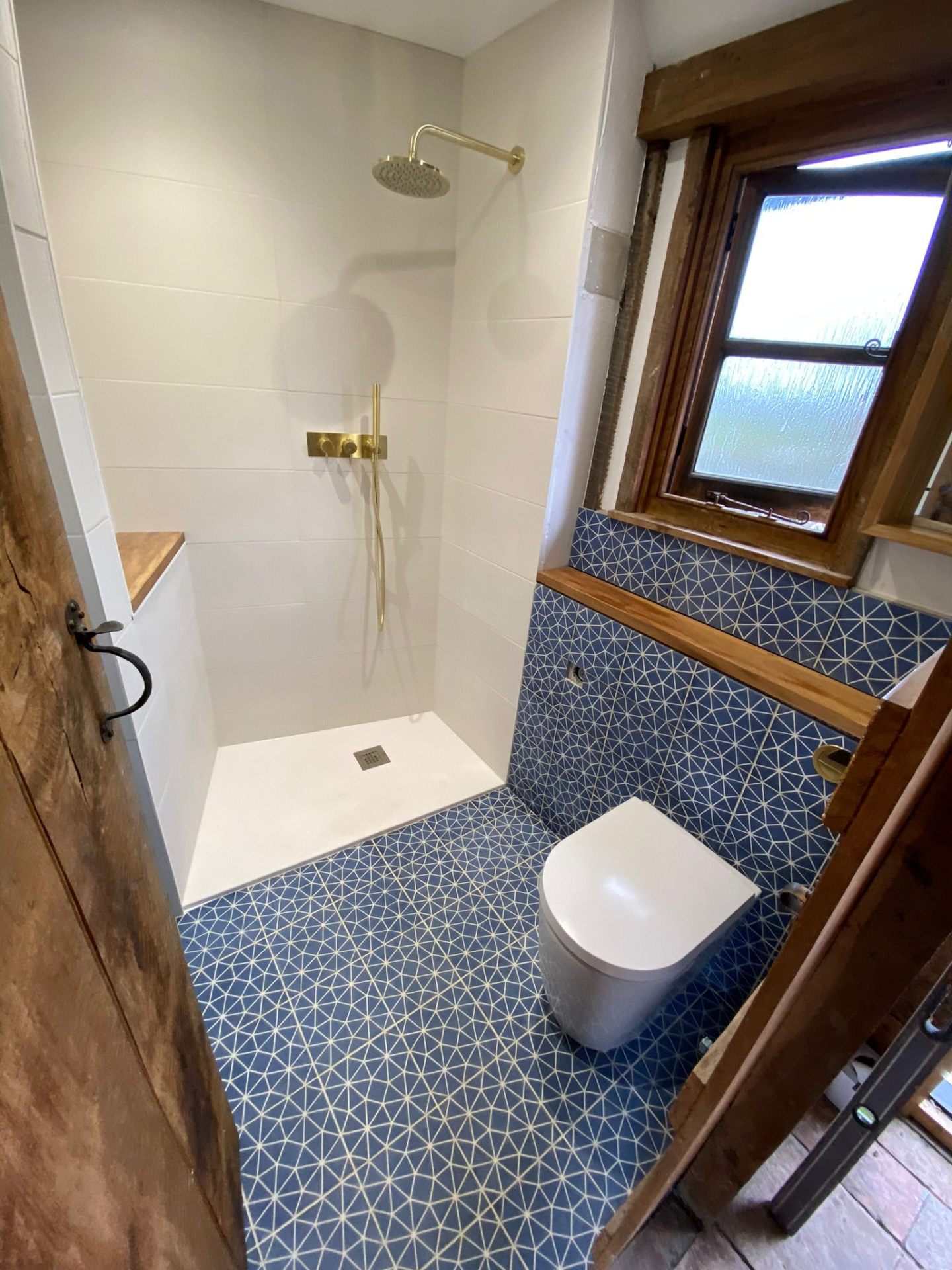
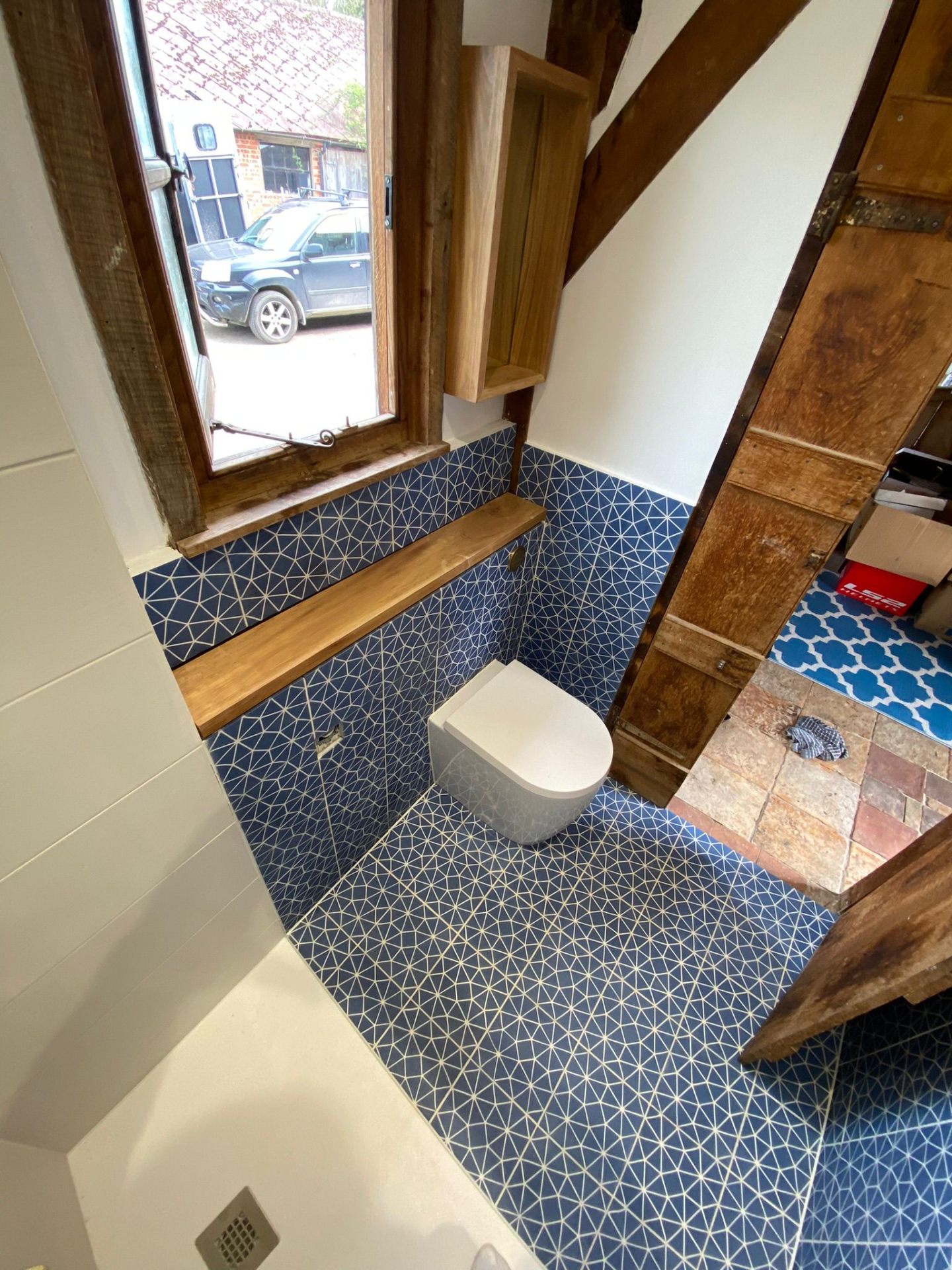
The Risks of Incorrect Wet Room Installation
A wet room that is not properly waterproofed is one of the most damaging mistakes a homeowner can make. Unlike a conventional shower with a tray and enclosure, a wet room relies entirely on its tanking membrane and floor gradient to prevent water from reaching the building structure.
Poorly installed wet rooms are a leading cause of damp claims, structural damage, and insurance disputes in residential properties. The consequences are often invisible for months or years — and by the time they are noticed, the damage is extensive.
- ✗Inadequate tanking allows water to seep beneath tiles, causing timber floor joists to rot and weaken structurally
- ✗Incorrect floor gradients cause water to pool rather than drain, leading to standing water, slip hazards, and mould growth
- ✗Using unsuitable tiles or adhesives in wet environments causes delamination, cracked grout, and water ingress within months
- ✗DIY or unskilled installations void building insurance if water damage occurs — insurers require professional-grade tanking certification
- ✗Unventilated wet rooms create persistent condensation problems that spread mould into adjacent bedrooms and hallways
- ✗Retrofit wet rooms on upper floors require specialist floor reinforcement and drainage routing — errors cause leaks into rooms below
How It Works
Survey & Structural Assessment
Daniel inspects the existing floor structure, drainage routes, and wall construction. For upper-floor wet rooms, the load-bearing capacity is assessed and any reinforcement requirements are identified.
Design & Drain Positioning
The wet room layout is designed with the optimal drain position for water flow. You choose your tiles, fittings, and finishes. A 3D design lets you see the completed room before work begins.
Floor Preparation & Gradient
The floor is built up to create the precise gradient required for water to flow efficiently towards the drain. This is achieved using specialist wet room former boards and levelling compounds.
Tanking & Waterproofing
The entire wet zone is waterproofed using a professional tanking membrane system. All joints, corners, and penetrations are sealed. This is the most critical stage — and the reason professional installation is essential.
Tiling, Plumbing & Completion
Anti-slip floor tiles and wall tiles are laid to your specification. Shower valves, drainage, and any electrical fittings are installed. The room is fully tested for water tightness before handover.
What You Get
Level-Access Entry
No step, no tray, no threshold. Walk straight into your shower. Essential for accessibility and a clean, modern aesthetic.
Space Maximisation
Removing a shower tray and enclosure makes even a small bathroom feel significantly larger and more open.
Professional Tanking
Every wet room is fully waterproofed using certified tanking systems. Water cannot reach your building structure.
Increased Property Value
Wet rooms are a premium feature that attracts buyers. They signal quality, modernity, and attention to detail.
Easy Maintenance
No shower tray to seal, no enclosure to clean. Wet rooms have fewer joints and edges where mould and limescale can accumulate.
Guaranteed Workmanship
All tanking, tiling, and plumbing work is guaranteed. If any issue arises, Daniel returns to resolve it at no additional cost.
Wet Room Installation: Technical Detail & Considerations
Tanking Membrane Systems
LUXE Bathrooms uses professional-grade liquid-applied and sheet tanking membranes from leading manufacturers. These systems create a continuous waterproof barrier across floors, walls, and all junction points. The membrane is applied in multiple coats, with reinforcement tape at internal corners, pipe penetrations, and drain surrounds. This level of waterproofing exceeds standard building regulations and provides long-term protection.
Floor Gradient & Drainage
A wet room floor must fall at a minimum gradient of 1:80 towards the drain — approximately 12mm per metre. This is achieved using pre-formed gradient boards or screeded falls. The drain type (linear channel or point drain) affects the gradient layout. Linear drains are positioned against one wall, requiring a single-direction fall. Point drains are centred, requiring a four-way fall. Daniel advises on the best option for your specific room shape and size.
Tile Selection for Wet Rooms
Floor tiles in wet rooms must have an anti-slip rating of R10 or above for residential use. Small-format mosaic tiles are popular because they follow the floor gradient naturally with more grout joints. Large-format tiles can be used but require precision cutting and more complex substrate preparation. Daniel advises on the best balance between aesthetics, safety, and practicality.
Upper-Floor Installations
Wet rooms on upper floors present additional challenges. Timber floor joists may need reinforcement to support the additional weight of the tanking system and tile. Drainage must be routed through the floor structure to connect with the soil stack. Sound insulation between floors is often a consideration. Daniel has extensive experience with upper-floor wet room installations in both modern and period East Sussex properties.
Underfloor Heating Integration
Wet rooms pair excellently with electric underfloor heating. The heating element is installed beneath the tile on top of the tanking membrane, providing a warm floor surface and helping to evaporate residual moisture quickly. Daniel installs and certifies underfloor heating systems as part of the wet room installation.
Building Regulations & Compliance
Wet room installations may require building control notification, particularly regarding drainage connections and electrical work (Part P). Daniel ensures all work meets current regulations and provides the relevant certification upon completion.
Frequently Asked Questions
Related Services
Areas We Serve
- Bathroom installation in Maresfield →
- Bathroom installation in Uckfield →
- Bathroom installation in Lewes →
- Bathroom installation in Tunbridge Wells →
- Bathroom installation in Crowborough →
- Bathroom installation in East Grinstead →
- Bathroom installation in Mayfield →
- Bathroom installation in Heathfield →
- Bathroom installation in Buxted →
Ready to Transform Your Bathroom?
Book a free, no-obligation consultation. Daniel will visit your home, discuss your vision, and provide a detailed quote — typically within 48 hours.
All work guaranteed. No obligation. Free estimates.